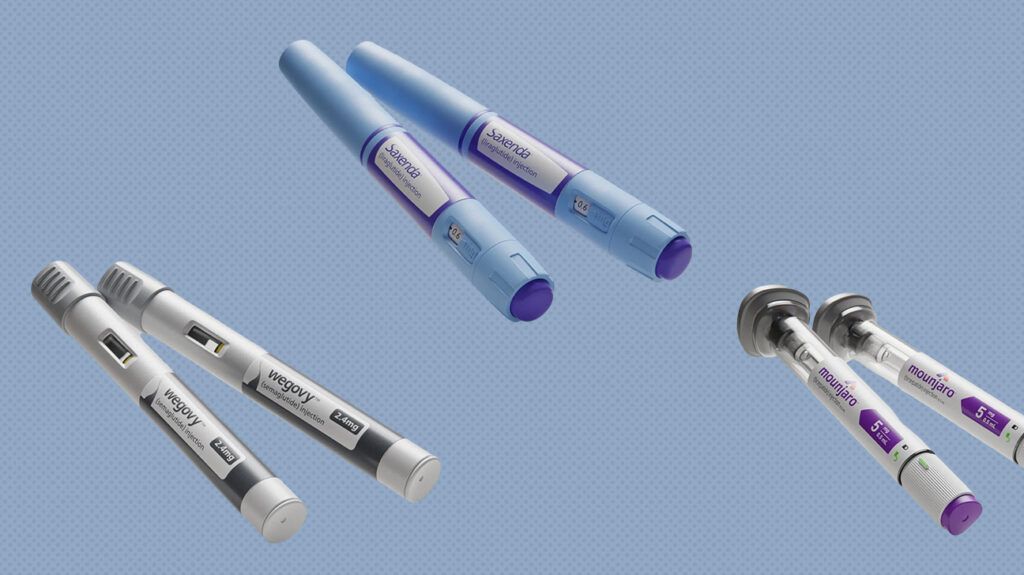
ABSTRACT Background Cirrhosis is characterized by complications, including hepatic encephalopathy (HE), hepatorenal syndrome (HRS), and acute variceal bleeding, Glucagon-like peptide1 (GLP1) analogs, have shown potential benefits in reducing liver inflammation and lowering cirrhosis-related complications
Research areas where laboratories buy the Wolverine Blend for in vitro work include comparative study of how angiogenic signaling (BPC-157-led) and actin-driven cell migration (TB-500-led) interact during tissue repair, VEGF/VEGFR2 and FAK-paxillin pathway activity in cell-culture models of tendon, ligament and muscle repair, thymosin--4-dependent actin polymerization and cytoskeletal remodeling in wound-healing assays, and preclinical evaluation in rodent models of soft-tissue, musculoskeletal, and gastrointestinal-mucosal repair
Strengthens Immune Defenses: Proper immune support helps protect against infections that could disrupt early pregnancy
Research Mechanism In laboratory settings, Epitalon is utilised to investigate: Telomere Elongation: The mechanism by which the peptide reactivates the telomerase enzyme in fibroblasts and lymphocytes, potentially delaying the "Hayflick Limit" (cellular senescence)




.webp?t=1743535811&width=696)