Tissue-Repair & Regenerative Research Research involving GHK-Cu commonly investigates: Tissue-remodeling pathways Recovery-focused regenerative signaling Fibroblast-related mechanisms Keratinocyte-related pathways Connective-tissue and extracellular-matrix signaling Scar-remodeling and tissue-maintenance research These pathways have contributed to broader research interest in GHK-Cu within regenerative and recovery-focused research models
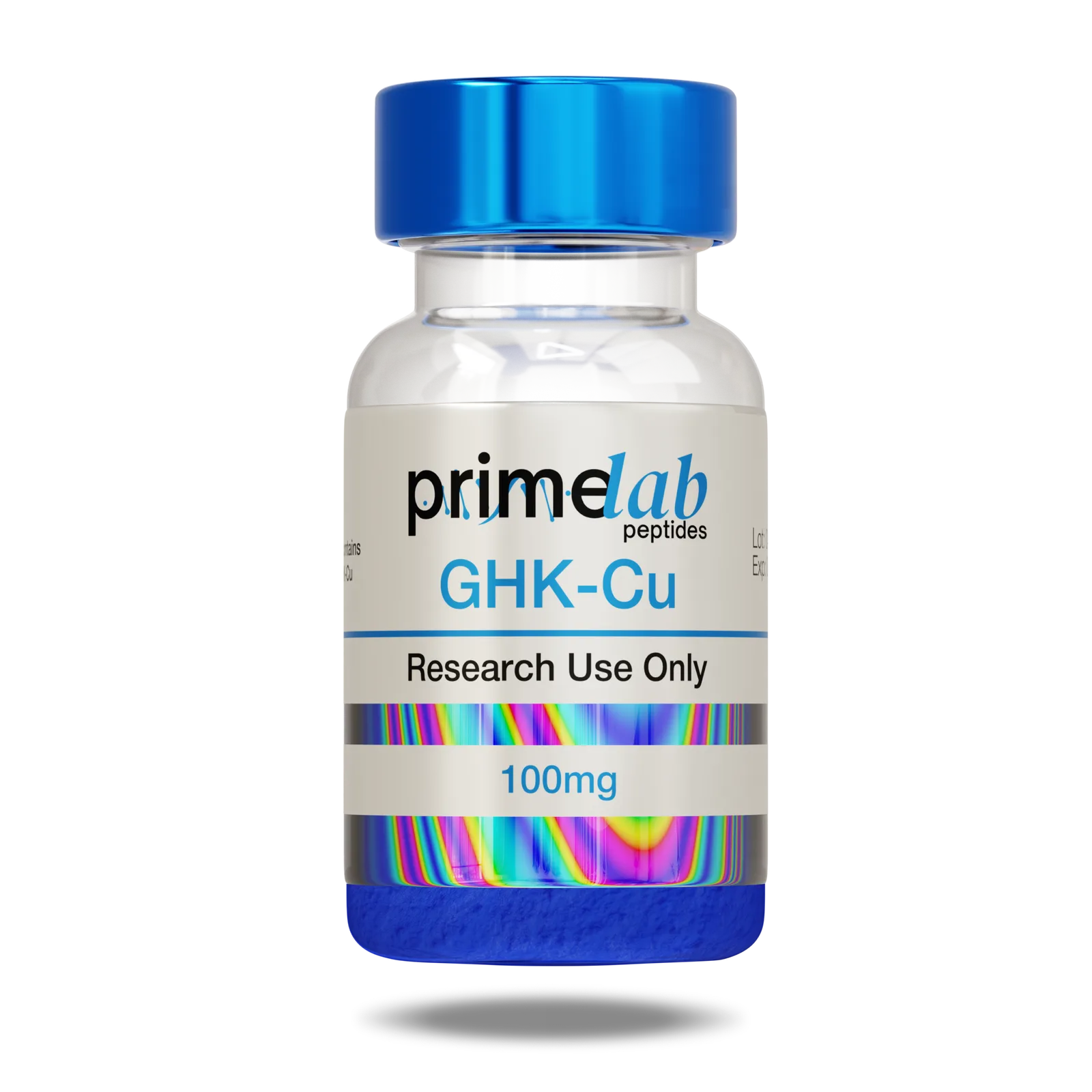
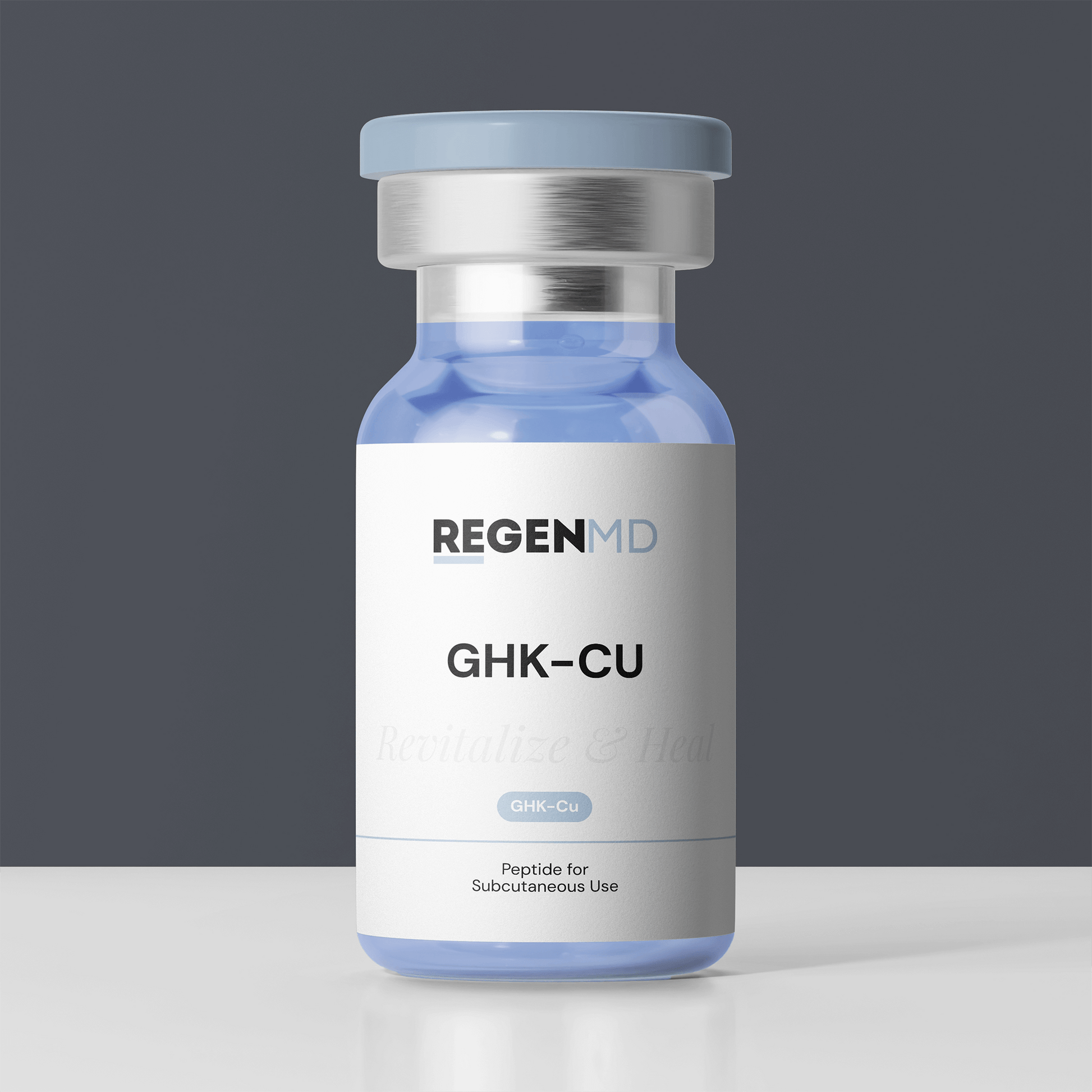
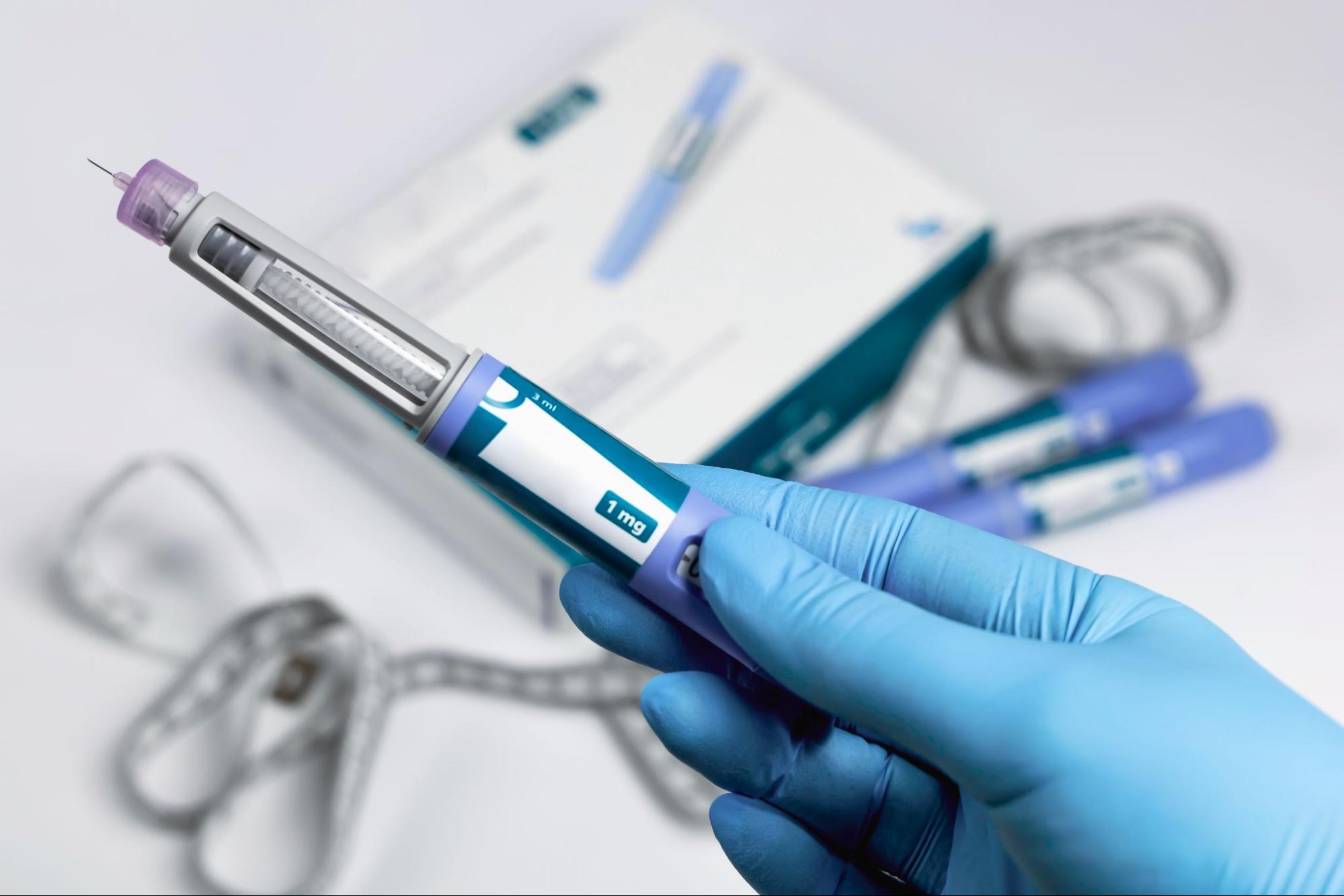
Composition & Format Active: GHK-Cu (copper peptide complex) Available strengths: 50 mg or 100 mg per vial Configuration: 10 vials per kit (total 500 mg or 1000 mg per kit) Form: blue copper lyophilized powder in sterile glass vials Key Features for Wholesale Buyers China-based factory supply with consistent batches for long-term projects High-purity blue copper peptide suitable for cosmetic and anti-aging research Bulk quantity support and OEM/private-label options on request Each kit is securely packed for export and global shipping Packaging & Ordering Standard packing: 10 vials per blister tray, multiple trays per carton Kits are packed in protective inner bags and outer export cartons Typical processing and dispatch updates are provided within about 3 business days after order confirmation For larger contracts, custom packing and labeling can be arranged via our sales team Storage & Handling Store sealed vials at 28 C , protected from light and moisture Reconstituted solutions should be handled under appropriate laboratory conditions and used promptly Related Products Glow (Blend TB-500 10 mg + BPC-157 10 mg + GHK-Cu 50 mg) cosmetic & recovery stack Blend TB-500 5 mg + BPC-157 5 mg + GHK-Cu 50 mg cosmetic & skin support kit Browse all Cosmetic & Skin Peptide Kits THIS PRODUCT IS INTENDED AS A RESEARCH CHEMICAL ONLY

This means it should not carry the hyperglycemia, fluid retention, carpal tunnel syndrome, or theoretical tumor-promotion risks associated with exogenous GH or full-length GH secretagogues
This makes it an ideal choice for animals experiencing Vitamin B12 deficiencies or those with increased metabolic demands, such as during periods of growth, pregnancy, lactation, or high-performance activities